Picture this: it’s the end of a long day, your kitchen counter is cluttered with takeout bags from the past week, and that familiar afternoon slump hits hard. You’ve been there, rushing through meals without a second thought, only to feel drained by evening. Balanced plates offer a gentle way to nourish your body intuitively, bringing steady energy through simple, colorful combinations of whole foods.
This isn’t about strict rules or counting every calorie. It’s about creating plates that feel grounding, with vibrant veggies, sustaining proteins, and wholesome grains working in harmony. In this guide, we’ll flow through the basics, mindful connections, daily rhythms, easy hacks, and a quick recipe to get you started. You’ll walk away with practical steps to make balanced eating a natural part of your routine, even on the busiest days.
Let’s ease into it together, one plate at a time, discovering how small shifts can bring calm and vitality to your meals.
What Draws Your Plate into Gentle Balance
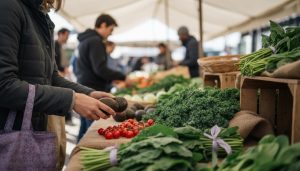
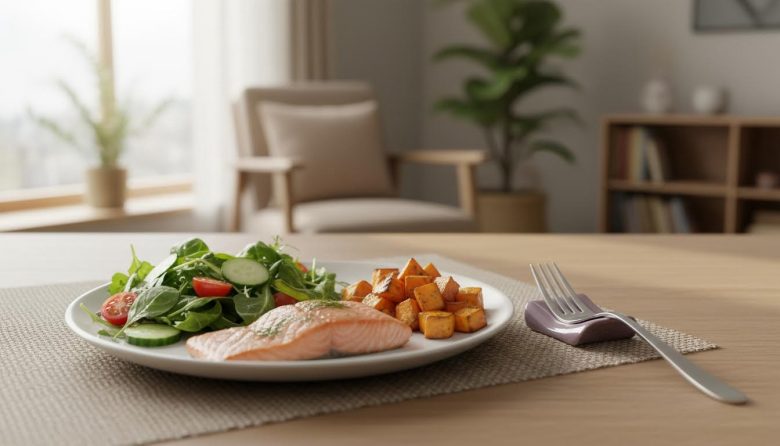
A balanced plate starts with a simple visual guide: fill half with vegetables or fruits for their crisp, grounding fiber that supports steady digestion. Dedicate a quarter to protein sources like eggs, beans, or lean meats, providing warmth and lasting fullness. The final quarter goes to whole grains such as quinoa or brown rice, offering a rhythmic release of energy throughout the day.
Think of the sensory appeal—crunchy greens, the subtle warmth of nuts, or the soft chew of barley. For beginners, use your hand as a portion guide: your palm for protein, fist for veggies, and cupped hand for grains. This intuitive method removes guesswork, making balance feel approachable right from the start.
No need for fancy tools; a quick scan of your plate ensures each element supports the others. Over time, this builds a natural rhythm in your eating habits, fostering calm rather than chaos.
Mind + Body Connection: Eating with Awareness
Balanced plates go beyond food—they link what you eat to how you feel, creating a bridge between mind and body. Before plating, pause for a deep breath, noticing your true hunger signals rather than emotional pulls. This simple act tunes you into your body’s needs, reducing stress-driven choices.
While eating, chew each bite slowly, savoring flavors and textures to aid calm digestion. Pair this with a gentle body scan: relax your shoulders, soften your jaw, and let the meal ground you. Studies show this awareness cuts mindless overeating, promoting steadier energy and mental clarity.
Try it during a midday break—notice how a colorful plate shifts your focus from tension to presence. It’s a practical way to weave nourishment into your daily unwind, one mindful bite at a time.
Daily Rhythm: Morning, Midday, Evening Plates
Align your plates with your body’s natural flow: mornings call for light, hydrating options to awaken gently. Start with oats topped with fresh berries and a handful of nuts—prep in 5 minutes for sustained morning rhythm without heaviness. The fruits add a burst of natural sweetness and hydration.
Midday meals support focus with hearty salads: layer greens, chickpeas, avocado, and whole-grain bread. This takes 10 minutes to assemble, balancing crisp veggies with protein for steady afternoon energy. It’s perfect for desk lunches that keep you grounded amid busy schedules.
Evenings invite warming dishes like vegetable lentil soup with a side of quinoa, ready in under 15 minutes. The warmth soothes as you unwind, promoting restful sleep. When considering 10 Fresh Meal Ideas for Busy Weeknight Dinners, these rhythms make lighter evenings effortless.
Adapt to your day—pick one phase to balance first, letting it set a calm tone for the rest.
Keep It Simple: Hacks for Real-Life Flow
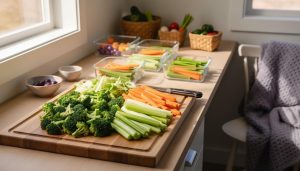
Overwhelm fades when you embrace ease: batch-prep veggies once a week by roasting a tray of mixed colors in 30 minutes. Store in airtight glass containers for grab-and-go bases all week. This grounds your routine without daily chopping.
For rushed nights, rely on frozen veggies or pre-washed greens—they retain nutrients and cut prep to 5 minutes. One-pan meals shine here: sauté protein with grains and veggies together for minimal cleanup. Check ideas in Everyday Tips for Lighter Dinner Plates to keep it flowing.
Perfection isn’t the goal—aim for mostly balanced, with room for treats. Store grains in cool, dry spots or fridge jars to maintain freshness up to a month. These hacks turn busy days into opportunities for simple nourishment.
Effortless Swaps to Balance Any Meal
Swaps transform everyday meals without extra effort, making balance a seamless kitchen shift for beginners. Start small: exchange refined carbs for whole options to feel the difference in steady warmth. These changes build habits gently, reducing decision fatigue.
Here’s a glance at approachable swaps, each with quick prep times to fit your rhythm.
Balanced Food Swaps at a Glance
| Common Choice | Balanced Swap | Why It Grounds You | Quick Prep (Time) |
|---|---|---|---|
| White rice | Quinoa | Protein and fiber for steady energy, no crashes | 15 min |
| Potato chips | Nuts or seeds | Healthy fats promote satiety and warmth | Grab & go (0 min) |
| Pasta with cream sauce | Whole-wheat pasta with tomato and beans | Fiber-rich for digestion, lighter feel | 10 min |
| Juice | Fresh fruit with yogurt | Natural fiber slows sugar release | 2 min |
| Fried chicken | Baked salmon or tofu | Omega-3s for calm focus, less heaviness | 12 min bake |
| White bread sandwich | Whole-grain wrap with veggies | Sustained rhythm from complex carbs | 5 min |
Pick one swap this week, like nuts over chips, and notice the subtle shift in your daily energy. For seafood lovers, explore 9 Quick Seafood Dinners from Fresh Catch to elevate these effortlessly. These visuals keep it light and actionable.
Step-by-Step: Your First Balanced Plate in 10 Minutes
As Lily Chen, I love sharing straightforward recipes that fit real life. Here’s a beginner-friendly quinoa veggie bowl, total time: 10 minutes. It serves one, with swaps for variety.
- Base layer (2 min): Rinse ½ cup quinoa, microwave with 1 cup water for 6 minutes or use pre-cooked. This grounds with steady grains.
- Add protein (2 min): Warm 3 oz canned beans or leftover chicken atop the quinoa. Feel the warmth build satiety.
- Fill with color (3 min): Pile on 2 cups chopped veggies—cucumber, cherry tomatoes, spinach. Drizzle olive oil and lemon for brightness (1 min).
- Season and serve (2 min): Sprinkle seeds, add salt and pepper. Total: balanced, vibrant, ready.
Seasonal twist: summer with zucchini, winter with roasted roots. Store leftovers in glass for 2 days. This plate nourishes mindfully, easing you into the habit.
Variations keep it fresh—swap quinoa for barley (same time) or tofu for vegan warmth. Practice once, and it’ll become your go-to rhythm.
Ready to try? Pick one moment tomorrow to build a balanced plate and notice the calm it brings to your day. Let this small step ripple into gentle, lasting flow.
FAQ: Simple Answers to Get Started
Do balanced plates mean no treats?
No, balance allows treats woven mindfully alongside nourishing bases like veggies and grains. Enjoy chocolate after a colorful meal to savor without overload. This approach honors cravings while maintaining steady energy.
What if I’m short on time?
Short on time? Grab pre-chopped veggies or 5-minute microwave grains—they deliver grounding benefits effortlessly. Rotate frozen options for variety without shopping stress. You’ll still feel the warmth of balance in under 10 minutes.
Is this for weight loss?
Balanced plates focus on sustained energy rather than restriction; weight often stabilizes naturally with consistency. Listen to your body for intuitive portions, not scales. It’s about feeling light and grounded daily.
Vegetarian options?
Absolutely—beans, lentils, eggs, or tofu provide the same protein warmth and fullness as meat. Mix with grains and veggies for complete nourishment. These swaps keep meals simple and satisfying for all diets.
How do I store leftovers?
Use glass containers for fridge storage up to 3 days; they preserve freshness without plastic tastes. Reheat gently on stovetop with a splash of water to restore texture. Freeze portions in bags for up to a month, thawing overnight for quick rhythm.