Picture this: it’s 6 p.m., your day’s been a whirlwind of meetings and errands, and the last thing you want is a complicated dinner ritual. Yet, as you stare at the fridge, that familiar slump hits—low energy, scattered focus. Building a simple balanced plate changes everything. It delivers steady energy through the afternoon and into evening, fostering calm focus without the crash of sugary snacks.
This method grounds your meals in natural proportions, tying into a holistic rhythm that supports your body’s needs. You’ll prep a plate in under 10 minutes, using everyday ingredients for real-life ease. With veggies for grounding fiber, proteins for sustained strength, and grains for gentle energy, each bite nurtures balance. Let’s explore how this plate method weaves into your day, with beginner tips and swaps to keep it approachable.
Steady blood sugar means fewer mood dips, clearer thinking, and better sleep. Busy parents and professionals alike find this hack transformative— no fancy tools needed, just a plate and intention. Tease ahead: visual guides, mind-body ties, daily flows, step-by-step assembly, and simple storage ideas await.
Visualizing Your Plate: Proportions for Natural Balance
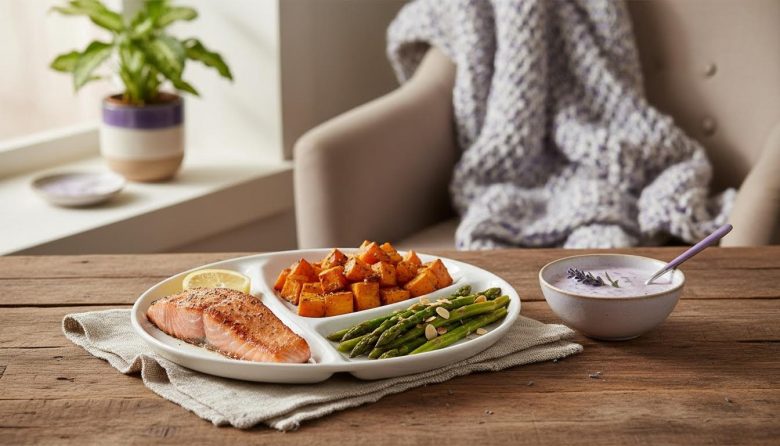
Start with a classic divided-plate method that feels intuitive. Imagine a 9-inch dinner plate: half for vibrant vegetables, a quarter for lean protein, and a quarter for whole grains. Add a touch of healthy fats to tie it together. This creates natural balance without counting calories.
Vegetables ground the plate with color and crunch—think leafy greens or roasted roots. Proteins like chicken, beans, or fish offer steady strength. Whole grains such as quinoa or brown rice provide lasting warmth. Beginners, visualize it like a pie chart: easy portions at a glance.
This setup promotes fullness and flow. It aligns with your body’s rhythm, keeping energy even. For visuals, picture the half veggie section bursting with reds and greens, the protein quarter firm and satisfying.
Practical tip: Use a small plate to naturally limit portions. This method suits any meal, adapting to your day’s demands seamlessly.
Mind + Body Connection: Nourish Calm with Every Bite
Each balanced plate nourishes more than hunger—it grounds your mood through fiber-rich veggies that steady digestion and focus. Proteins maintain blood sugar for calm clarity, reducing that jittery edge. Notice the crisp textures or warmth as you eat; these sensory cues invite presence.
After a few bites, pause for a light breath. Feel how the meal supports steady movement through your day. Beginners, start small: savor one vegetable’s freshness to build this connection.
Proteins like eggs or lentils provide amino acids for mental balance. Fats from avocado add creamy satisfaction, easing tension. This isn’t about perfection—it’s gentle nourishment linking plate to peace.
Over time, this habit fosters resilience. Your body responds with grounded energy, mind with quieter thoughts. Try it once today for subtle shift.
Daily Rhythm: Plates That Flow with Your Day
Morning calls for energizing grains like oats paired with protein such as yogurt or nuts—prep in 5 minutes for a grounded start. Check out the Easy Beginner Guide to Fresh Breakfasts for more ideas that fit this flow. Add berries for light sweetness and focus through meetings.
Midday thrives on veggie-heavy plates: half with steamed broccoli, quarter chickpeas, quarter barley. This sustains through afternoons, prepped in 10 minutes. It keeps energy steady without heaviness.
Evening unwinds with lighter choices—roasted fish, quinoa, and greens drizzled in olive oil, ready in 15 minutes. Fats here promote relaxation. Transition smoothly: morning fuels, midday grounds, evening releases.
Adapt to your rhythm. If mornings rush, grab the 15 Budget-Friendly Fresh Meal Combos for quick assemblies. These plates weave into routines like a gentle stretch or walk.
Build Your Plate: Gentle Steps for Everyday Ease
- Divide your plate: Choose a 9-inch dinner plate. Lightly breathe to center yourself as you mentally mark half for vegetables. This sets a calm tone in 30 seconds—no tools needed.
- Fill half with colorful vegetables: Layer raw spinach, steamed carrots, or roasted zucchini for warmth and crunch. Aim for variety—two colors minimum. Swaps like frozen broccoli (2 minutes microwave) keep it beginner-friendly; they retain nutrients and save time.
- Add quarter lean protein: Place 3-4 ounces of grilled chicken, tofu, or lentils for steady strength. Portion tip: palm-sized for ease. Plant-based? Canned beans rinsed quick—protein sustains without overwhelm.
- Layer quarter whole grains: Spoon in cooked brown rice, farro, or sweet potato for grounding energy. Prep ahead or use microwave pouches (90 seconds). Swaps like couscous work for busy nights.
- Drizzle healthy fats and season: Add sliced avocado, a sprinkle of nuts, or olive oil. Fresh herbs like basil lift flavors simply. Hack: Lemon squeeze for brightness—total satisfaction in 1 minute.
Each step takes 2-3 minutes, totaling under 10. Beginners, follow sequentially for flow. Visual progression: empty plate to vibrant meal builds confidence.
Customize endlessly—veggie swaps for seasons, proteins for preferences. This rhythm reduces decision fatigue. Practice once for mastery.
Keep It Simple: Hacks to Reduce Kitchen Overwhelm
Frozen vegetables are a game-changer: steam in 3 minutes, no chopping. Batch-prep grains Sunday—cook quinoa for the week, fridge 4-5 days. Store in glass jars for easy grab.
Busy days? Pre-portion proteins like rotisserie chicken or hard-boiled eggs. Assemble midday in 2 minutes. For the 9 Quick Seafood Dinners from Fresh Catch, incorporate fish fillets frozen-ready.
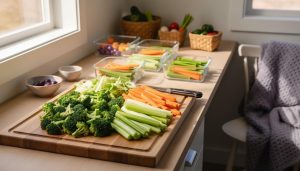
Storage idea: Chop veggies ahead, store in airtight containers—crisp up to 3 days. Pick one hack today, like frozen swaps, to ease in gently. This keeps balance without stress.
Overwhelm fades with repetition. Your kitchen becomes a calm space. Integrate mindfully for lasting rhythm.
Flavor and Flow: Bringing Your Plates to Life
Season with herbs like rosemary for warmth, garlic for depth—sensory delight in seconds. Quick recipe: Roast veggies (10 min), top with tahini protein, grains, and sea salt. Total 20 minutes bliss.
These touches make plates inviting. Flow emerges naturally. Choose one moment today to build a balanced plate—perhaps evening unwind.
FAQ
What’s the easiest way to start if I’m a beginner?
Begin with frozen veggies and pre-cooked grains packs—they heat in 5 minutes for true balance without chopping stress. Focus on one section first, like filling half with color. Build from there weekly for gentle habit.
Can this work for vegetarian or vegan lifestyles?
Absolutely: Opt for beans, tofu, tempeh, or eggs if lacto-ovo for protein quarters. Nuts, seeds, or olive oil handle fats seamlessly. Examples like lentil-quinoa plates ground energy just as well.
How does a balanced plate fit into weight management?
It builds fullness via fiber-packed veggies and satisfying fats, curbing overeating naturally. Steady energy reduces cravings without rigid tracking. Listen to body cues for sustainable rhythm over time.
What if my family resists more vegetables?
Introduce gradually: Blend spinach into sauces or roast cauliflower with familiar spices for appealing warmth. Pair with their favorites, like cheese on broccoli. Small wins create shared balance gently.
Is batch-prepping balanced plates practical for the week?
Yes: Dedicate 30 minutes Sunday to chop veggies, cook grains, grill proteins—store components separately in fridge. Reassemble fresh daily, reheat midday for rhythm. Freezer bags extend to 7 days easily.