On busy Wednesdays back in my pre-planning days, I’d rush through the door after teaching yoga, scanning takeout apps with a foggy mind. The result? Heavy regrets the next morning, leaving me scattered instead of grounded. Now, a simple overnight oats ritual—oats soaked with yogurt and berries—sets a calm tone before my first stretch session.
This shift brought more than convenience. Less decision fatigue means steadier breath during midday walks and warmer evenings unwinding with family. Meal planning eases stress, nourishes body and mind, and builds a natural rhythm without overwhelm. Ahead, we’ll tune into daily flows, balance bites for focus, map gentle weeks, and use checklists to start.
Imagine mornings with grounding warmth, light midday fuel for movement, and soothing evening bowls. These beginner steps draw from my routine, with tweaks for any diet. Ready to claim that calm? Let’s flow through it together.
Tune Into Your Daily Meal Rhythm
Your day has a natural pulse—mornings for steady starts, midday for light lift, evenings for gentle close. Tuning meals to this rhythm feels intuitive once you notice patterns. In my routine, mornings call for warmth to ease into breath work.
Start with options like warm oats blended with nuts and cinnamon, providing sustained energy without a crash. This grounds me before a short yoga flow. For vegan tweaks, swap in chia seeds soaked in plant milk.
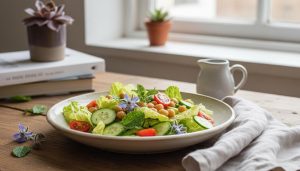
Midday shifts to lighter bites, like salads with crisp greens and a protein hit. Think quinoa bowls with cucumber and feta—fresh for an afternoon stretch. When planning these, my Beginner Guide to Simple Healthy Lunches offers routine-tested ideas that keep movement fluid.
Evenings invite unwind with soups or stews, their warmth signaling rest. A simple lentil broth with carrots settles the body after evening walks. Adjust for gluten-free by using rice noodles instead of grains.
Ground Mind + Body with Balanced Bites
Each meal links mind and body through balance—protein steadies focus, greens invite deep breath, fats add warmth. From my yoga days, I learned unbalanced plates led to restless afternoons. Now, I pair eggs with spinach for sustained calm during stretches.
Picture scrambled eggs folded with wilted greens and a slice of avocado. This combo fuels steady breath in my midday practice, keeping energy even. For dairy-free, tofu scramble with kale works seamlessly.
Greens like spinach or arugula bring lightness, pairing with nuts for grounding crunch. A routine lunch of chickpeas over mixed leaves sharpens focus for evening prep. These bites reduce mental chatter, opening space for movement.
Evening examples include yogurt with berries and seeds, cooling yet nourishing. It supports unwind without heaviness. Tweak for low-carb by emphasizing nuts over grains—simple swaps from my weekly flow.
Map a Week That Flows Without Force
Weekly planning starts small: theme days keep it effortless. Monday grains for warmth, Tuesday proteins for strength—mirroring my teaching schedule. This batching saves time, letting breath come easier midweek.
Snapshot from my routine: Sunday, I chop veggies for three salads. Monday, oats batch for mornings. By Wednesday, lentil soup simmers once for two evenings—flow without force.
Adjust themes to your rhythm. Busy weeks? Focus grains and soups. In my Beginner Guide to Fresh Meal Prepping, I detail these snapshots with timers to fit any day.
Track on paper: list three dinners, repeat favorites. This builds momentum, freeing mental space for walks or stretches. Diets vary? Note swaps like tempeh for chicken.
Your Beginner Shopping and Prep Checklist
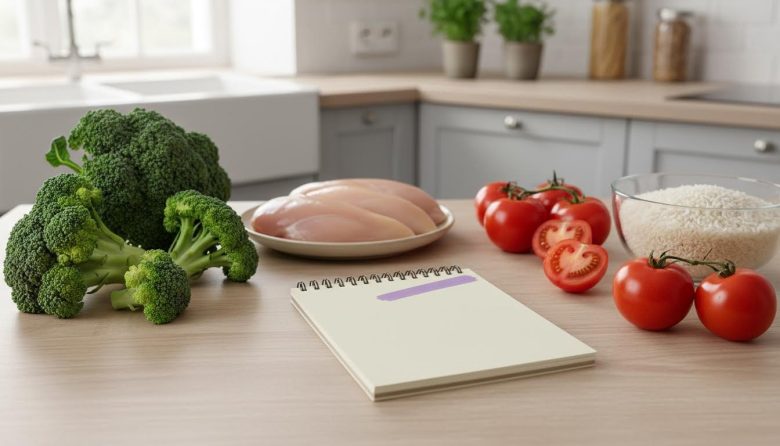
Print this checklist for your next grocery run—it’s designed for beginners, drawing from my staples. Aim for 8-10 items weekly, focusing on rhythm: bases for mornings, lights for midday, warmers for evenings. Prep Sunday in 30 minutes: chop, portion, store in jars.
These cover omnivore, vegan, or gluten-free with notes. One new item keeps curiosity alive without overwhelm. Here’s your actionable list:
- Pantry staples: Oats, rice, canned beans (grounding bases for mornings and grains theme)
- Fresh produce: Leafy greens like spinach, seasonal veggies such as carrots and cucumbers (light, vibrant for midday salads)
- Proteins: Eggs, Greek yogurt, tofu or chickpeas (mind + body sustainers, swap as needed)
- Healthy fats: Avocado, nuts like almonds, olive oil (warmth and satiety for all meals)
- Herbs and spices: Garlic, ginger, cinnamon (simple flavor lifts without recipes)
- Prep tools: Glass jars for oats, cutting board and knife (essentials for batching)
- Weekly fruits: Berries or apples (fresh bursts for yogurt or snacks)
- One new item: Try quinoa or tahini (explore gently, fits any diet)
- Storage basics: Reusable containers (keep preps fresh for the week)
- Broth or tomatoes: Canned for quick soups (evening unwind heroes)
Ticking these off builds confidence. My routine: Sunday shop, Monday prep—rhythm set.
Keep It Simple: Gentle Tweaks to Start
Overwhelm hits beginners hard, so plan just three dinners a week, repeating favorites. Breakfasts rotate two options, like oats or smoothies. This reduces choices, inviting calm breath.
Midday? Grab from 14 Light Lunch Ideas Packed with Produce for no-cook ease. Evenings: one pot meals. Diet tweaks: base chicken stir-fry, swap tofu for vegan.
Track wins in a notebook—what fueled your best stretch? Skip perfection; leftovers are friends. This gentle pace turns planning into habit, grounding daily flow.
For families, core meal plus sides: rice bowl with veggies, proteins on side. My mixed household thrives here. Start tonight with one tweak.
Unwind Into Lasting Habits
Lasting habits form through one mindful moment. Pick Sunday prep: breathe as you chop, feeling the rhythm build. From my chaotic days to now, this single step transformed mornings.
Integrate gently—your body will guide. Notice steadier breath, lighter steps. You’ve got the checklist; flow into ease.
Frequently Asked Questions
Do I need fancy ingredients to start meal planning?
No, stick to 10-12 staples from your routine grocery run, like oats, greens, and eggs. My weekly list uses basics for warmth and light without specialty stores. This keeps it practical and grounding from day one.
How long until meal planning feels natural?
One week of three planned meals builds rhythm without pressure—my yoga students see it in seven days. Early wins like prepped oats create momentum. Skeptical? Track energy after day three.
What if my family has different diets?
Build a base meal with simple swaps, like my household’s grain bowls: chicken for some, tofu for others, greens for all. Prep proteins separately in 10 minutes. This honors everyone’s needs calmly.
Can this work for busy schedules?
Yes, 15-minute preps fit morning or midday gaps—overnight oats assemble at night, salads chop once. My teaching days prove it sustains movement. Batch once, eat all week.
Is meal planning really worth the effort for beginners?
It saves mental space for breath and walks, as my routine shows—less stress, more balance. Try one day: notice the calm. The payoff grows naturally.