Every morning, as the first light touches my garden, I step out barefoot to pick ripe tomatoes still warm from the sun. Their grounding weight in my hands sets a calm rhythm for the day, pulling me into the simple joy of fresh produce. This ritual isn’t just about harvest—it’s a gentle way to nourish body and mind with peak-season flavors that deliver balanced nutrition without effort.
Garden-fresh sides elevate any meal, packing vitamins and steady energy into vibrant bites. For beginners, the key is starting small: try one dish to build your natural meal rhythm. No need for complex recipes—these 14 options draw from what ripens in my patch, using straightforward prep that fits real life.
Imagine the crisp snap of a cucumber or the earthy warmth of roasted beets grounding your plate. This approach supports whole-body balance, from sustained focus midday to restful evenings. As you weave these into your routine, you’ll notice how fresh produce fosters a sense of flow, much like principles in How to Plan Easy Meals for Beginners.
These sides shine brightest when tied to daily needs—light for mornings, cooling for afternoons, hearty for nights. Let’s explore how they connect mind and body first, then fit your rhythm with ease.
Balancing Mind + Body with Garden-Fresh Sides
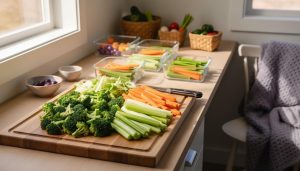
Chopping crisp cucumbers into ribbons offers a breath-focused break, easing tension from a busy morning. The rhythmic slice grounds your thoughts, turning prep into a mindful pause that clears mental fog. I do this mid-morning after yoga, feeling the cool water on my hands restore calm.
Roasted root vegetables, like carrots or beets, bring warming depth that anchors the body post-workout. Their natural sweetness emerges with simple heat, providing steady fuel without energy crashes. Pairing these sides with mains creates balanced plates, as outlined in How to Create Balanced Plates Simply, sustaining you through the afternoon.
In my routine, a handful of sautéed greens beside eggs or grains steadies blood sugar for clear focus. This isn’t about perfection—it’s practical integration. The sensory cues of warmth, crunch, and freshness link physical nourishment to mental ease, helping you unwind naturally.
These moments build resilience over time. Start with one side that calls to you, noticing how it shifts your inner balance. Gentle tweaks keep it adaptable for any day.
Finding Flow in Your Daily Rhythm
Mornings call for light touches like zucchini ribbons tossed with fresh herbs and lemon. Their delicate strands add brightness to oatmeal or toast, easing you into the day without heaviness. I twist mine into nests for a playful start, aligning with gentle movement like stretching.
Midday shifts to cool cucumber salads with dill and vinegar, refreshing focus during work breaks. The chill contrasts warm lunches, steadying energy as you navigate afternoons. In my routine, this pairs with simple wraps, drawing from ideas in Beginner Guide to Simple Healthy Lunches.
Evenings welcome hearty kale sautés with garlic and olive oil, their slight bitterness signaling unwind time. Softened leaves wrap around proteins, promoting restful digestion. Rotate these weekly to match your flow—light mornings build to grounding nights.
Adapt with what’s abundant: swap zucchini for summer squash in mornings, or add nuts to midday salads for satiety. This rhythm prevents burnout, fostering a natural cycle. Pick one slot in your day to test, letting familiarity grow.
Keep It Simple: Ease into Garden Cooking
Limit each dish to five ingredients max—no need for specialty items or gadgets beyond a knife, pan, and bowl. Focus on what ripens first in your patch, like tomatoes or greens, to honor the garden’s pace. This cuts overwhelm, inviting beginners to pick three staples and build from there.
Batch-prep streamlines your week: wash and chop all greens Sunday morning, storing in breathable bags. Preheat the oven once for multiple roasts, then portion for grab-and-go. My routine relies on this to maintain balance amid busy days.
Encouragement for newcomers: start with no-cook options like salads to gain confidence. Use what you have—imperfect shapes taste just as vibrant. This approach weaves cooking into your rhythm without stress, turning produce into effortless sides.
Gentle transitions keep momentum: prep while listening to breath or light music. Over time, it becomes a grounding habit. Try batching once this week for lasting ease.
14 Garden-Fresh Sides to Savor Now
Tomato-focused dishes capture summer’s essence with juicy bursts. Caprese skewers thread cherry tomatoes, basil leaves, and mozzarella balls on sticks—drizzle with balsamic for tangy warmth. Naturally gluten-free, swap cheese for vegan tofu; I skewer these for picnics, their pop grounding outdoor meals.
Bruschetta toasts rub grilled bread with garlic, top with diced tomatoes, olive oil, and parsley. The smoky char meets fresh acidity, perfect vegan bites. In my evening routine, these precede pasta, easing into unwind.
Tomato-cucumber salad mixes chunks with red onion, herbs, and vinaigrette—crisp and hydrating. Low-carb friendly, add feta or nuts for protein. Midday staple in my week, it refreshes without weighing down.
Roasted tomatoes halve Romas, toss in oil and herbs, bake till caramelized. Their concentrated sweetness pairs with anything; gluten-free base. Post-yoga favorite for sustained warmth.
Greens bring earthy balance. Kale chips crisp in the oven with oil and salt—light crunch without frying. Vegan and kid-friendly, twist leaves for fun; snack in my afternoons for steady energy.
Spinach sauté wilts leaves with garlic and lemon—silky texture in minutes. Boost with nuts for dairy-free; anchors breakfast scrambles in my rhythm.
Swiss chard ribbons steam lightly with vinegar—tender stems add chew. Naturally vegan, gluten-free; rotates into my weekly sautés for variety.
Arugula pesto blends leaves, nuts, oil, and garlic—no basil needed. Stir into grains or spread on bread; my low-carb tweak uses seeds, fitting busy lunches.
Roots offer grounding depth. Carrot ribbons shave lengthwise, dress with citrus and herbs—raw vibrancy. Vegan, add quinoa for protein; morning side in my routine.
Beet salad roasts cubes, mixes with greens and vinaigrette—earthy sweetness. Dairy-free with tahini; post-workout go-to for recovery.
Roasted radishes soften with herbs—mild peppery bite. Low-carb star, vegan; surprises evenings with warmth.
Parsnip fries bake thick-cut with spices—crispy outside, soft in. Gluten-free swap for potatoes; family hit in my rotations.
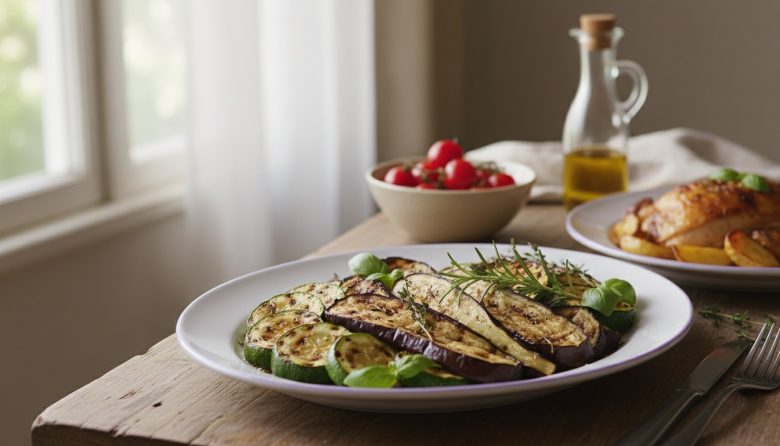
Squashes round out with versatility. Grilled zucchini slices char with oil and salt—smoky tenderness. Vegan base, low-carb; midday refresher.
Stuffed peppers fill halves with rice, herbs, and tomatoes—bake till soft. Swap rice for cauliflower rice; hearty evening unwind in my patch-to-plate flow.
- □ Tomatoes (harvest 10-12 medium or 2 pints cherry) – Core for skewers, salads, roasting; yields 4 servings.
- □ Zucchini (4 medium) – For ribbons, grilling; slice thin for quick cook.
- □ Cucumbers (3 large) – Crisp base for salads; peel if tough skins.
- □ Kale or greens (2 bunches spinach, chard, or kale) – Wash thoroughly, remove tough stems.
- □ Roots (6 carrots, 4 beets, bunch radishes, 4 parsnips) – Scrub clean, no peeling needed for freshness.
- □ Fresh herbs (handfuls basil, parsley, dill) – Chop finely; store stems in water.
- □ Peppers (4 bell) – Halve for stuffing; vibrant colors boost meals.
- □ Staples (olive oil, garlic, lemon, salt – 1/4 cup oil total) – Pantry basics for all.
- □ Wash & chop all greens and herbs first – 10 minutes total.
- □ Preheat oven to 400°F for roasts and chips – Line sheets for easy cleanup.
Tweaks from My Weekly Routine
In my dairy-free weeks, I swap feta in salads for toasted nuts or seeds, keeping crunch and balance. Add cooked quinoa to any green side for a protein boost, turning it into a light main. One tomato salad anchors breakfast, lunch, and dinner tweaks seamlessly.
For low-carb, skip grains entirely—focus on ribbons and roasts. These shifts fit my rhythm without rethinking plans. Try one tweak this week, picking a moment to integrate mindfully, and notice the flow it brings.
FAQ
What if I don’t have a garden—can I use store-bought produce?
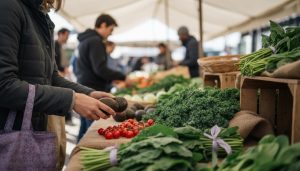
Yes, opt for peak-season organics from farmers’ markets or stores to capture similar freshness and vibrancy. This mimics my dawn harvest ritual, grounding you with quality picks. Start small, like grabbing tomatoes and cucumbers, to build confidence in your routine.
How do I tweak these for different diets like low-carb or vegan?
All bases are naturally vegan—swap cheese for nuts or tahini easily. For low-carb, replace any grains with extra veggies or cauliflower rice, maintaining balance. My weekly swaps keep energy steady, proving simplicity works across needs.
What’s the best way to store fresh garden produce for these sides?
Keep tomatoes at room temperature to preserve flavor; store greens in breathable bags with a damp towel in the fridge. Roots last longer chilled, but use within three days for peak nutrition and snap. This preserves the sensory warmth and crispness I rely on daily.
Can I prep these sides ahead for busy days?
Most hold well—chop veggies in the morning, assemble or roast evening. Salads stay fresh dressed lightly; chips crisp ahead. It slots perfectly into my daily rhythm, reducing stress while keeping flavors alive.
Are these sides beginner-friendly and kid-approved?
Absolutely, with three-to-five steps and natural tastes that shine. Fun shapes like ribbons or skewers engage picky eaters—my family loves the playfulness. Begin with one, like carrot ribbons, to spark joy without pressure.