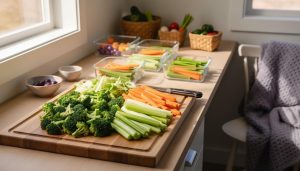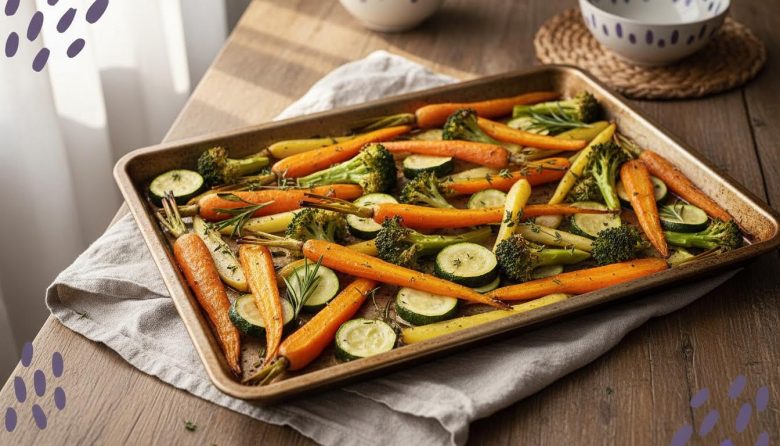
Every Sunday afternoon, I clear my kitchen counter and line up a colorful array of vegetables from the market. This simple ritual transforms my week into a rhythm of nourishing meals, where the oven’s gentle heat draws out natural sweetness and creates crispy edges that make eating feel like a quiet reward. Roasting isn’t just cooking—it’s a way to deepen flavors through caramelization, turning everyday roots and florets into something grounding and satisfying.
For beginners, this method promises ease without overwhelm. You don’t need fancy tools or hours of standing by the stove. Just a sheet pan, some oil, and 30 minutes unlock warmer, richer tastes that fit seamlessly into balanced natural living.
I’ve made roasted veggies my meal anchor, pairing them with proteins for steady energy. Their warmth invites slower bites, fostering presence amid busy days. Start here, and watch how this practice brings calm to your plate.
Picking Veggies That Bloom Under Heat
Root vegetables like carrots, parsnips, and beets shine brightest in the oven. Their natural sugars caramelize beautifully, offering earthy sweetness with minimal effort. Dense options such as broccoli, cauliflower, and Brussels sprouts hold shape while developing nutty edges.
Seasonal picks keep things fresh and affordable—think winter squash in fall or zucchini in summer. For low-carb diets, lean toward cauliflower or eggplant; they mimic starchier roots without the carbs. Kid-friendly tweaks include sweeter carrots or potatoes, cut small for quick crisping.
- Carrots or parsnips: 1 lb, dense and sweet.
- Broccoli or cauliflower: 1 head, florets for even roast.
- Brussels sprouts or beets: 1 lb, halved for balance.
- Seasonal add: Butternut squash or zucchini, 2 cups cubed.
- Tweaks: Swap potatoes for radishes (low-carb) or add cheese sprinkles for kids.
This checklist streamlines your market run. Choose 3-4 items weekly for variety without excess.
Prep Rhythm: Cutting and Coating for Even Warmth
Start by washing veggies under cool water, patting dry to help oil cling. Uniform cuts ensure even cooking—aim for 1-inch pieces on roots, smaller florets on brassicas. This rhythm prevents soggy centers and burnt outsides.
Toss in a light coat of olive oil, just enough for shine without pooling. Season simply: salt, pepper, and herbs like rosemary or thyme for grounding aroma. From my routine, I prep a full tray midweek, coating extras for tomorrow’s warmth.
- Wash and dry thoroughly.
- Cut uniformly: 1-inch chunks for roots, bite-size for florets.
- Toss with 2 tbsp oil per pound.
- Season: 1 tsp salt, ½ tsp pepper, fresh herbs.
- Spread single layer on a parchment-lined sheet pan.
Follow these steps for consistent results. Your kitchen fills with inviting scents, setting a calm tone.
Mind + Body: Grounding Through Roasted Warmth
Chopping veggies becomes a breath-focused practice—inhale as you slice, exhale tension with each cut. This simple movement anchors you, syncing hands with steady rhythm. The warmth rising from the oven mirrors inner calm, inviting deeper presence.
Savor aromas midway through roasting; pause for a full breath, letting scents ground scattered thoughts. Post-roast, pair with a gentle stretch—reach overhead while plating—to ease body into mindful eating. These cues link sensory warmth to quieter meals.
In my evenings, this flow unwinds screen time into nourishing bites. Roasted veggies’ crisp texture encourages slower chewing, fostering balance between body and day. Try it to feel the subtle shift toward steadiness.
Daily Rhythm: Weave Roasts into Morning, Midday, Evening
Mornings call for energizing bowls: roasted sweet potatoes with eggs and greens for steady start. The warmth fuels light movement like yoga, without heaviness. Adapt by cubing small for quicker bake.
Midday, roasted broccoli sides pair with salads or wraps. For more on 14 Light Lunch Ideas Packed with Produce, these add satisfying crunch. Keep portions modest to sustain afternoon focus.
Evenings unwind with cauliflower plates alongside fish or grains. The caramelized notes balance richer proteins, easing into rest. Batch a tray earlier to simplify dinner flow.
This rhythm fits any schedule. Pick one slot weekly to roast ahead, creating reliable nourishment.
Keep It Simple: Your 30-Minute No-Fuss Flow
Batch prep reduces weekly stress—roast 2-3 trays Sunday for grab-and-go ease. One-pan method shines: mix veggies together, no juggling trays. Store in glass containers for 4-5 days of freshness.
Beginners, start with just carrots and broccoli. Preheat to 425°F, roast 25-30 minutes, stirring once. This flow builds confidence without perfection pressure.
- One pan: All veggies mixed.
- 25 minutes at 425°F, flip halfway.
- Store: Airtight, fridge-ready.
- Reheat: Oven or air fryer for crisp return.
These tips cut overwhelm. Embrace the simplicity for lasting rhythm.
Easy Swaps for Flavor and Diet Balance
Swapping veggies clarifies adaptations, enhancing taste while fitting diets. This table guides quick choices, tying back to shopping and prep checklists for seamless customization.
| Original Veggie | Swap For | Taste Boost | Diet Fit |
|---|---|---|---|
| Potatoes | Radishes | Peppery crisp, mimics starch | Low-carb, keto |
| Carrots | Parsnips | Deeper caramel sweetness | Balanced, vegan |
| Broccoli | Cauliflower | Nutty, softer edges | Low-carb, gluten-free |
| Zucchini | Eggplant | Smoky meatiness | Mediterranean, plant-based |
| Beets | Turnips | Milder earthiness | Root veggie lovers, paleo |
Use this for variety—test one swap per batch. It streamlines decisions, amplifying roasted warmth across meals.
Integrate roasting mindfully: pick one moment today, like morning prep, to practice this warmth. Let it build your natural rhythm gently.
Do I really need an oven for great roasted veggies?
No, an air fryer works beautifully at similar temps for smaller batches. It circulates heat for even crispness, cutting time by 5 minutes. Ovens suit larger preps, but start with what you have for low-pressure entry.
Why do my roasts turn out soggy sometimes?
Crowding the pan traps steam—spread single layer for air flow. Pat dry before oiling to remove moisture. Higher heat (425°F) and parchment help crisp edges reliably.
Can roasting fit a busy schedule like mine?
Absolutely, batch Sunday for 4 days of meals. Reheat in minutes while you stretch or breathe. For broader planning, explore How to Plan Easy Meals for Beginners to weave it in effortlessly.
Are roasted veggies good for kids who hate greens?
Yes, sweetness from caramelization wins them over—try small potato-cauliflower mixes. Hide less-loved bits amid favorites, roasting crisp. Patience builds their palate naturally.
How do I add protein without complicating things?
Toss chicken thighs or tofu on the same pan midway. They absorb veggie flavors for one-pan balance. Check 10 Fresh Meal Ideas for Busy Weeknight Dinners for full pairings.
Is olive oil the only choice, or can I skip it?
Olive oil enhances conduction, but avocado oil handles higher heat. For oil-free, use broth spray and convection—results stay warm and tasty. Experiment gently for your preference.